What Happens To Fat Cells After Body Sculpting?
Liposuction- Does It Last? And The Number Of Fat Cells Do We Have?
" Information consistently reveals nourishment is weight loss royalty, however, for weight maintenance, exercise uses a crown also," he elaborates. " It's normally best to participate in physical activity during weight reduction also, in order to decrease muscular tissue loss. This process is occurring regularly, without us needing to consider it.Non-surgical Fat Decrease Therapies & Modern Technologies
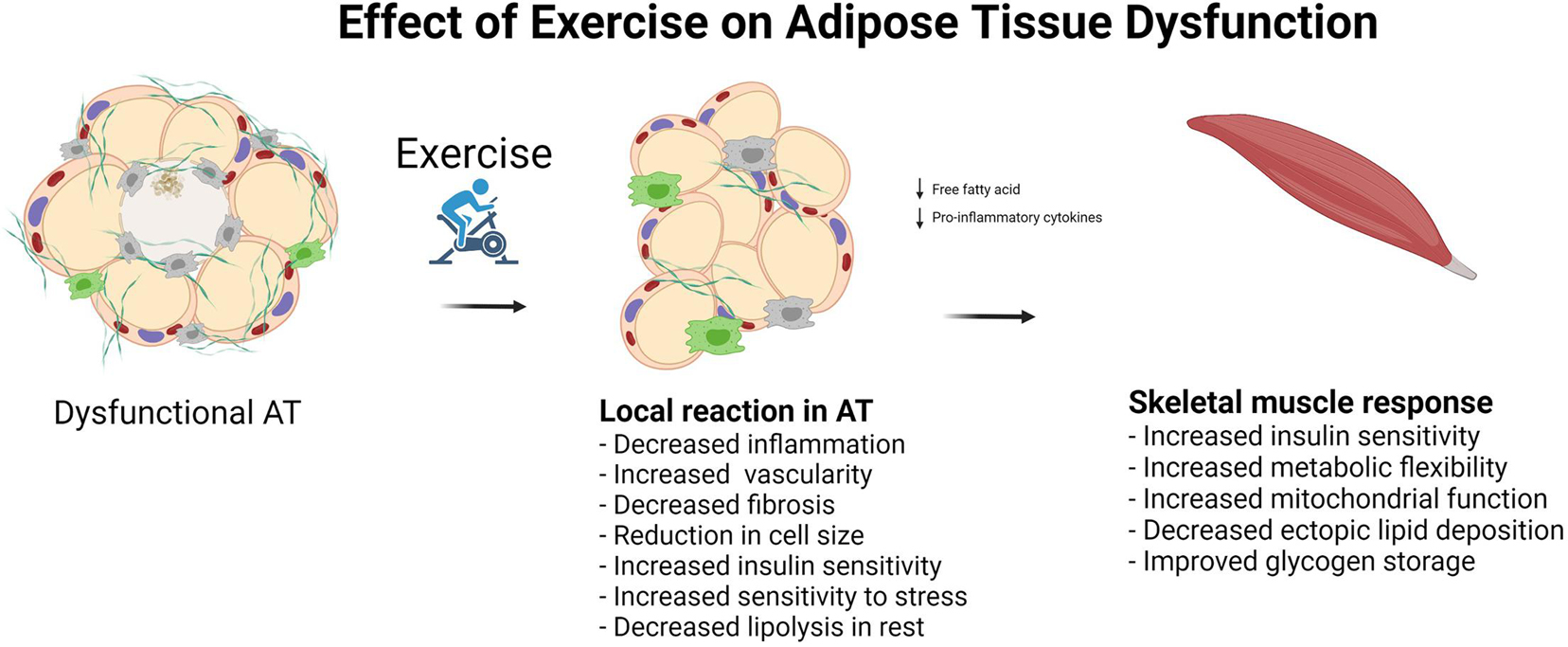
- In a previous testimonial (7 ), we summed up the adjustments to energy-restricted weight loss that are thought to promote weight regain (Fig. 1).
- C, d, UMAP visualization representing scAT pools from the LTSS research study (c) and NEFA research (d) coloured by predicted cell subtypes from the Emont et al. subcutaneous AT dataset from White people.
- Additionally, it structures the combination of long-lasting signals for saved power and temporary signals of nutrient accessibility in a manner that connects both to the cellular and metabolic feature of fats.
Analytical Evaluation Of Physical Criteria From Computer Mice
Weight restore after fat burning is a substantial challenge in weight problems therapeutics. Diet programs leads to substantial adjustments in the homeostatic system that regulates body weight, which advertises overeating and the relapse to obesity. In this testimonial, we concentrate specifically on the adjustments in white fat that contribute to the organic drive to reclaim weight after weight management. Fat burning results in a reduction in dimension of adipocytes and this decrease in size modifies their metabolic and inflammatory characteristics in a manner that assists in the clearance and storage Target areas for cryolipolysis space of consumed energy. We present the theory whereby the lasting signals showing saved power and short-term signals mirroring nutrition accessibility are originated from the cellularity qualities of fats.
Workout And Calories
HCH computer mice displayed larger ingAT, BAT and epiAT depots compared to CCH computer mice (Fig. 5g, h) and showed raised triglyceride buildup and hepatic steatosis (Extended Data Fig. 10i-- k). Next, to determine resources of biological irregularity (variables) in our datasets on the basis of all modalities throughout all problems we utilized multi-omics element analysis (MOFA) 50. This enables unsupervised integration and clustering of our combined multi-omic (epigenetic) datasets to get rid of possible constraints of modality-specific evaluations. HC and HHC examples gathered closer to H and HH examples than to controls along Aspect 1, indicating that WL did not induce total normalization of the adipocyte epigenome (Fig. 3d).
They likewise experienced a 17% decrease in belly fat and a considerable decrease in waistline size.HIIT might likewise burn more calories in a shorter time compared to various other types of workout. An essential understanding of this power void, dictated only by organic stress, has arised from preclinical researches of weight gain back in diet-induced obesity (DIO) designs. The power void at the maintenance-relapse change is influenced in predictable methods by diet plan composition (12 ), by the size of time in weight upkeep after fat burning (10) and by exercise levels (13 ). Weight regain driven exclusively by this organic pressure mirrors a first-order growth contour (4,11,13) such that the energy space diminishes as the regression to excessive weight proceeds. Thus, the magnitude of the power gap is greatest at the nadir weight after fat burning (9,11,13).