The Facts, Signs And Symptoms And Treatment Of Pelvic Flooring Disorder
Signs Your Pelvic Flooring Could Be Weak Pelvic floor dysfunction refers to a large range of disorders that happen when pelvic flooring muscular tissues are weak, limited or torn. If the muscular tissues end up being weak or the ligaments or cells are stretched or harmed, the pelvic body organs or little intestinal tract might fall and stick out into the vaginal area. If the condition is severe, the organs may protrude via the opening of the vagina and outside the body. Our team makes use of innovative analysis testing to pinpoint the root cause of your condition to guide treatment alternatives. Many clients gain from collaborating with a physiotherapist particularly learnt reinforcing and collaborating the muscular tissues of the pelvic floor. Various other treatments include medications, minimally intrusive devices and surgery.
Can pelvic flooring muscles regain toughness?
Maternity and childbirth can extend, strain, and compromise these muscle mass and trigger a series of problems for regarding 1 in 4 females. Fortunately is that pelvic floor workouts can gradually build up your toughness and assist you go back to typical.
Recognizing The Root Causes Of Pelvic Floor Dysfunction
Pudendal neuralgia is triggered by entrapment of the pudendal nerve by pelvic muscles and ligaments. It is defined by chronic discomfort in hips or perineum, between the penis/clitoris to the rectum, and is normally even worse with sitting. The medical diagnosis is recommended by background and health incontinence-direct examination.
Understanding Pelvic Floor Dysfunction
By helping maintain your pelvic flooring muscle mass solid, Kegels can additionally assist you recover much faster after giving birth.
Rest assured, our group uses specialist therapy for these conditions in a helpful, comprehending atmosphere to assist you reclaim feature or address certain signs and symptoms.
They make you much more knowledgeable about which muscle mass you'll require to loosen up throughout labor.
If you identify any one of these symptoms, it's important to seek pelvic floor treatment for disorder.
This test may likewise be uncomfortable however can be extremely useful in finding and treating individuals with fecal urinary incontinence and dyssynergic defecation.
To do one, simply tighten your pelvic floor muscular tissues like you would to hold your urine or gas. Keep the muscular tissues tightened for a number of seconds, then gradually launch them. ( This makes pelvic flooring strengthening much less effective.) Repeat this workout 10 to 15 times at least 3 times a day. People that exercise these muscles tend to feel much better emotionally as well. People in one recent pelvic health and wellness program were 11% much less likely to have moderate to severe clinical depression contrasted to a control group.2 They additionally had 53% less pelvic pain after 12 weeks in the program. It can be brought on by a number of conditions, including a weakening of the muscle mass that regulate the bladder shutoff.
Difficulty With Defecation:
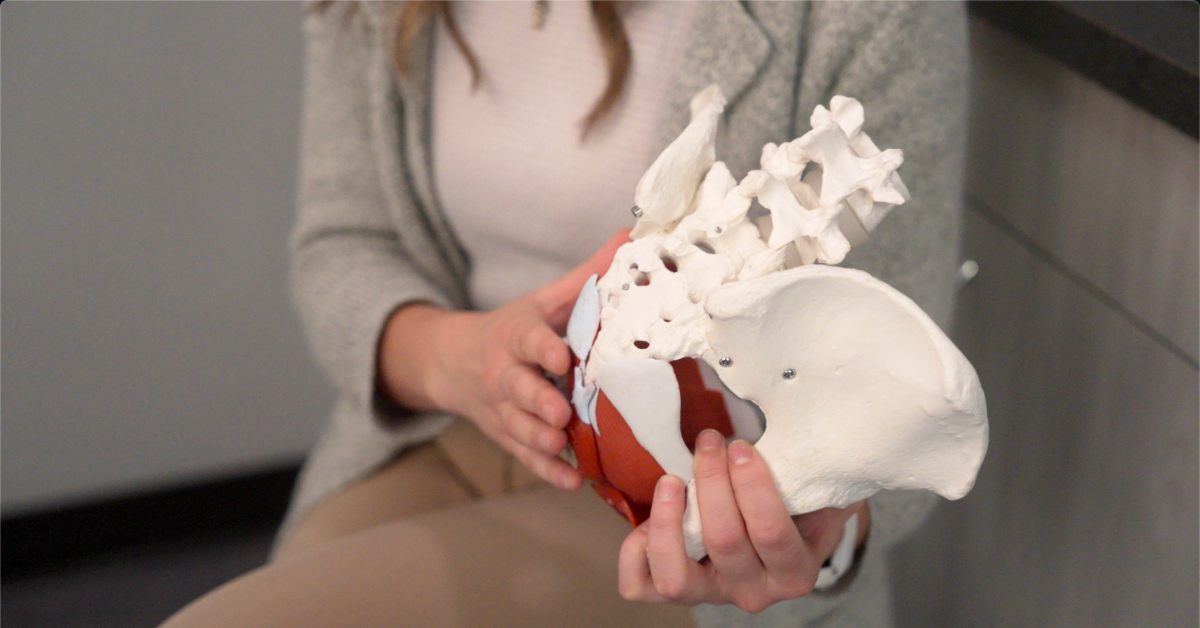
They likewise help with bladder control throughout and after pregnancy. By assisting maintain your pelvic flooring muscular tissues strong, Kegels can likewise assist you recover quicker after delivering. Your pelvic flooring includes 3 separate layers of muscular tissues and other tissue in and around your pelvic area. It functions like a sling to support inner body organs like your bladder and digestive tract. The pelvic flooring is a group of muscles, tendons, and tissues that extend like a "hammock" across all-time low of the pelvis. These muscle mass support the bladder, bowel, and reproductive organs, and they are key players in regulating the release of urine and stool. They also play a role in sex-related function, posture, and security. The pelvic floor muscular tissues are incredibly important for maintaining both pelvic health and wellness and overall wellness.