10 Points To Learn About Skin Tags Associated Dermatology
Moles, Blemishes, And Skin Tags: Types, Triggers, Treatments
Appearance And Root Causes Of Skin Tags

- Skin tags have actually been connected to a number of health conditions, consisting of insulin resistance, weight problems, and metabolic disorder.
- Skin tags are a common skin problem, impacting almost 46% of the population eventually in their lives.
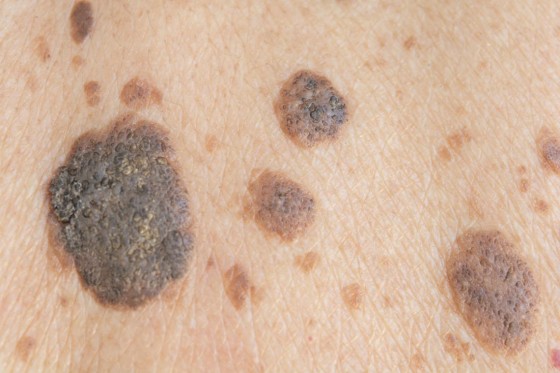
- If you have an irregular mole or one more spot that looks dubious, keep in mind "ABCDE" to look for very early functions that suggest melanoma.
- Prior to determining whether to remove them, it's practical to recognize why they form, who obtains them, what they appear like, and when it deserves seeing a skin doctor.
- Regardless of those cases of "quick," "very easy" and "safe," physicians do not suggest home or over-the-counter solutions to remove skin tags.
- Skin tags show up frequently in both men and women and generally show up in people of midlife.
Come To Be A Participant Of Our Wellness And Health Email Checklist
While skin tags can happen at any type of age, they are much more widespread among middle-aged and senior individuals. This raised occurrence in older adults might result from modifications in skin flexibility and the cumulative effects of skin friction gradually. Nonetheless, skin tags can and do show up in younger people as well, especially in those who are overweight or have a family history of skin tags. This age-related trend highlights the value of regular skin checks and appointments with skin doctors, especially for those in higher age braces.When Should You See A Doctor?
In patients offering with multiple or recurring skin tags, a comprehensive metabolic analysis is highly suggested. The medical professional must review for diabetic issues mellitus and insulin resistance making use of ideal lab tests, including HbA1c, fasting blood glucose, and postprandial blood sugar. It is not clinically needed for skin tags to be removed, Moorhead claims. But some individuals might choose elimination if the skin tags end up being annoying, or for aesthetic factors. That's because acrochordons, soft fibromas, or fibroepithelial polyps, are little, benign skin growths.